
Discovering Qabuli Palaw: A Taste of Afghan Tradition
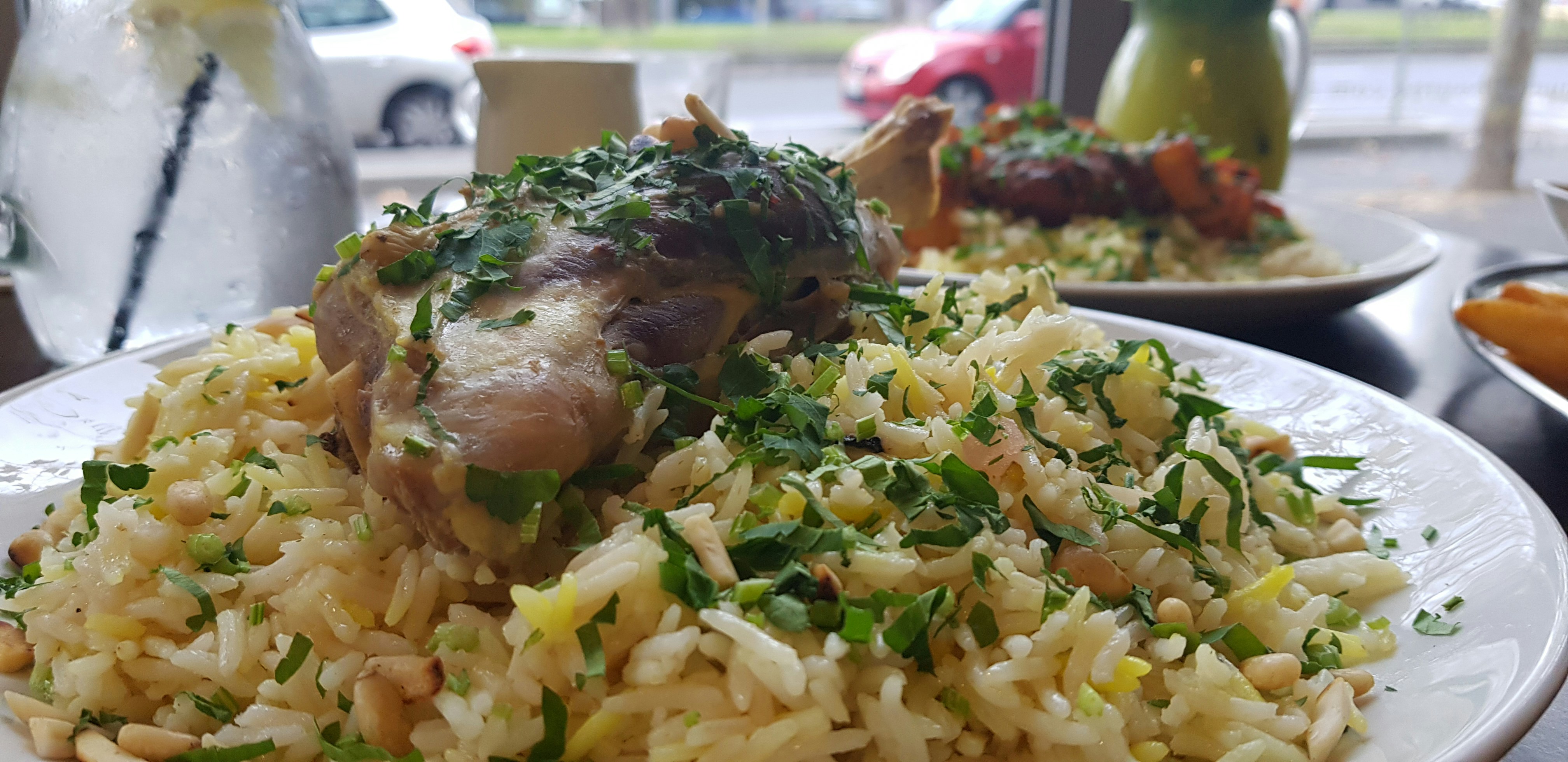
What is Qabuli Palaw?
Qabuli Palaw, often regarded as the national dish of Afghanistan, is a remarkable representation of Afghan culinary tradition that encompasses a rich history and cultural significance. This dish, deeply rooted in Afghan culture, is celebrated for its elaborate preparation and the harmonious blend of flavors and textures it offers. The origins of Qabuli Palaw can be traced back several centuries, evolving through various cultural influences that have enriched its complexity and appeal.
The core of Qabuli Palaw consists of basmati rice, known for its long grains and aromatic qualities. This rice is expertly cooked to fluffy perfection, serving as the foundation of the dish. The lamb, a staple protein in Afghan cuisine, is typically used as a key ingredient, providing a succulent and savory element to the dish. The meat is often marinated and slow-cooked to enhance its tenderness and flavor, allowing it to meld beautifully with the rice.
A distinctive feature of Qabuli Palaw is the inclusion of carrots and raisins, which not only add visual appeal but also contribute to the dish’s unique taste profile. The carrots are usually julienned and then lightly sautéed, providing a sweet and crunchy contrast to the tender rice and lamb. Raisins also bring a touch of sweetness that balances the savory notes. This combination of ingredients results in a delightful medley that is both satisfying and nourishing.
Traditionally, Qabuli Palaw is served on special occasions, such as weddings and religious festivals, symbolizing hospitality and generosity within Afghan culture. Each family may have its own recipe with slight variations, reflecting personal touches and regional influences. As such, indulging in Qabuli Palaw is not just about savoring a meal; it is an experience that connects people to Afghan heritage and communal ties.
Ingredients and Preparation
Qabuli Palaw, a classic dish hailing from Afghanistan, showcases a harmonious blend of ingredients that contribute to its rich flavor and unique texture. Central to this dish is basmati rice, known for its long grains and fragrant aroma. This rice variety is particularly prized for its ability to absorb flavors, making it the ideal base for Qabuli Palaw.
The dish is enhanced with a variety of spices, which play a critical role in defining its character. Common spices include cumin, cardamom, and cloves. These spices not only add depth and warmth but also evoke the traditional Afghan culinary heritage. Additionally, a touch of cinnamon is often incorporated, lending a subtle sweetness that balances the savory elements of the dish.
Another key ingredient in Qabuli Palaw is lamb, which is typically used to give the dish its hearty quality. The lamb is usually marinated with spices and sometimes yogurt, allowing it to tenderize and absorb the flavors before it is cooked. This careful preparation ensures that the meat remains succulent throughout the cooking process.
Vegetables such as carrots and raisins are also essential components of Qabuli Palaw. The carrots are usually julienned and caramelized, providing a sweet contrast to the savory lamb and spices. Raisins, often added towards the end of cooking, contribute a pleasant burst of sweetness, complementing the other flavors and textures in the dish.
The preparation of Qabuli Palaw involves a series of steps that are crucial for achieving the desired taste and quality. The rice is first washed and soaked, allowing it to expand and ultimately achieve the perfect texture. In a separate pot, the lamb is browned before the spices and other ingredients are introduced, simmering together to infuse the meat with flavor. Lastly, the parboiled rice is layered over the meat and vegetables, and the dish is cooked gently, allowing the flavors to marry beautifully.
Cultural Significance and Variations
Qabuli Palaw, often considered the national dish of Afghanistan, holds profound cultural significance within Afghan society. This dish is more than just a meal; it is a central element of Afghan hospitality and communal gatherings. Traditionally served during special occasions such as weddings, religious holidays, and significant family events, Qabuli Palaw symbolizes generosity and the importance of sharing food with loved ones. The preparation and presentation of this dish are typically a family affair, highlighting the communal aspects of dining in Afghan culture.
The ingredients of Qabuli Palaw, which primarily include basmati rice, lamb, carrots, raisins, and various spices, reflect the agricultural diversity of Afghanistan. Each region boasts its own variations, with local ingredients and culinary practices influencing the dish’s preparation. For example, in some provinces, cooks may incorporate nuts like almonds or pistachios, while in others, the use of saffron or other spices can add unique flavors. This adaptability not only showcases regional differences but also allows families to personalize the dish based on their preferences or dietary restrictions.
Additionally, Qabuli Palaw has experienced adaptations in various diaspora communities around the world. For instance, Afghan immigrants may modify the recipe to include locally available ingredients or adjust spices to cater to different palates. Such variations contribute to its evolution while maintaining its core identity as a symbol of Afghan culture. Whether enjoyed at a festive celebration or a casual family meal, Qabuli Palaw continues to resonate deeply with the Afghan people, evoking a sense of heritage and continuity amid a diverse dining landscape.
How to Serve and Enjoy Qabuli Palaw
Serving Qabuli Palaw is an art that reflects the rich culinary traditions of Afghanistan. This aromatic dish, characterized by its delicate basmati rice mixed with tender pieces of meat, carrots, raisins, and nuts, deserves to be presented elegantly to enhance the dining experience. To serve Qabuli Palaw, begin by using a large platter to provide generous portions, allowing guests to appreciate its vibrant colors and distinctive textures.
As for accompaniments, consider pairing Qabuli Palaw with various traditional sides. A refreshing cucumber and yogurt salad, known as “maqloobah,” complements the rich flavors of the rice and meat. You might also serve a simple green salad dressed with lemon, which balances the richness of the dish. Additionally, an Afghan-style chutney made from mint or coriander offers a zesty contrast that elevates the overall taste experience.
When it comes to enhancing the presentation, garnishing is key. Top the completed dish with slivers of almonds and pistachios along with a sprinkle of fresh herbs like cilantro. This not only adds visual appeal but also enriches the flavor profile, making every bite a delight.
Enjoying Qabuli Palaw traditionally involves communal eating, making it a dish best shared with family and friends. It is customary to serve the meal on a large platter from which everyone can help themselves, embodying a spirit of togetherness that is integral to Afghan culture. Moreover, diners often use their hands to eat the rice and meat, which is an intimate way to engage with the food.
In conclusion, serving and enjoying Qabuli Palaw is about more than just the dish itself. It is a celebration of Afghan heritage, and by presenting it thoughtfully and sharing it with loved ones, you honor its cultural significance while creating memorable dining experiences.