
Discovering the Flavorful World of Kofta
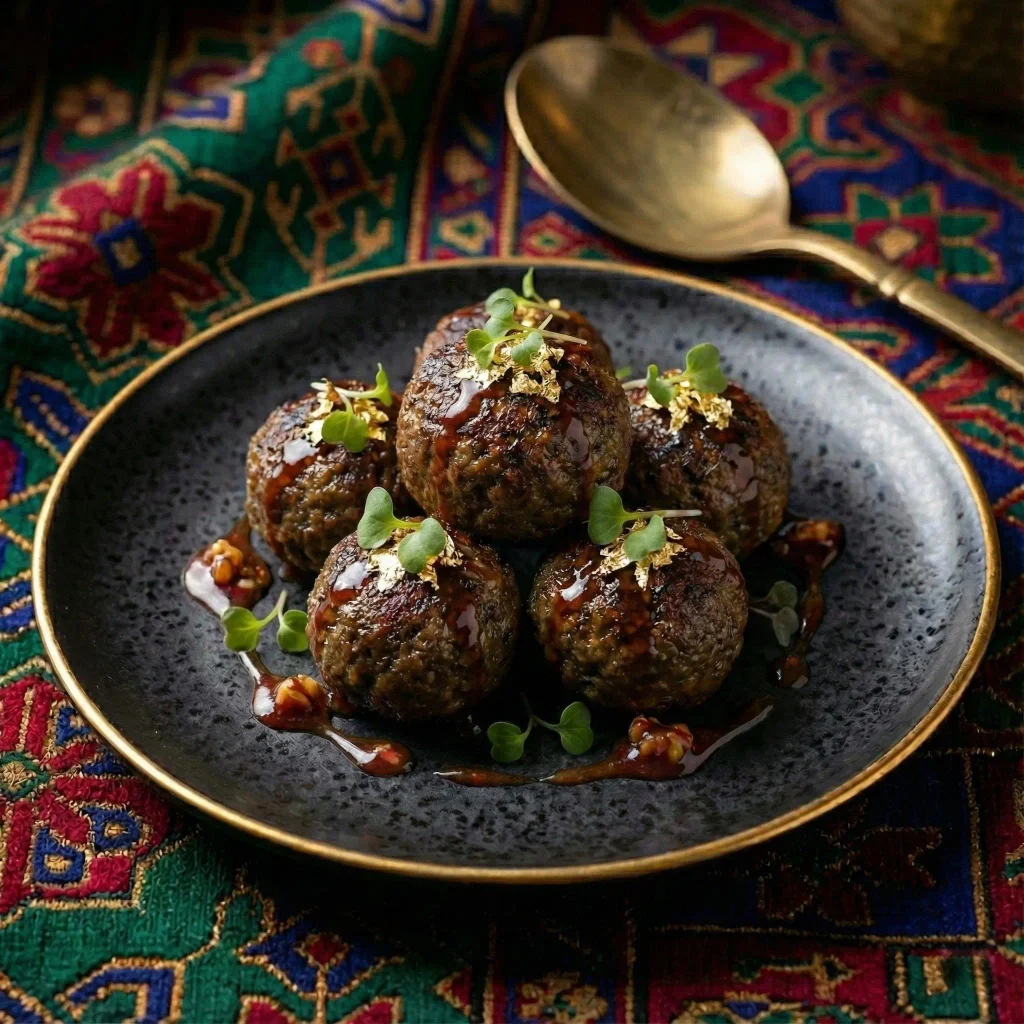
What is Kofta?
Kofta is a dish consisting primarily of ground or minced meat, typically mixed with spices and herbs, and shaped into balls or patties. Originating in the Middle East, kofta has a rich history that spans various cultures and regions, leading to a wide array of variations found across the globe. Each culture gives its unique twist to this delectable dish, showcasing local ingredients and culinary traditions.
Historically, kofta’s roots can be traced back to the Persian Empire, where references to similar dishes appear in ancient texts. As trade routes expanded and cultures mingled, kofta became an integral part of the culinary landscapes in many countries, notably in the Middle East, South Asia, and the Mediterranean region. In these areas, kofta is not merely a meal but often a staple at communal gatherings and significant celebrations, symbolizing hospitality and togetherness.
In the Middle East, kofta is frequently prepared using ground lamb or beef, seasoned with aromatic spices such as cumin, coriander, and garlic. These ingredients combine to create a mouth-watering flavor profile. South Asian varieties, such as the Pakistani and Indian types, often incorporate spices and herbs in more robust mixtures, occasionally adding lentils or vegetables for variation. Mediterranean kofta presentations may include grilled skewers served with sides like tzatziki or salad.
Additionally, diverse cooking methods are employed worldwide. Kofta can be grilled, baked, fried, or cooked in stews, making it versatile in terms of both preparation and presentation. Its adaptability not only emphasizes the dish’s significance within various cuisines but also its ability to bring people together in culinary enjoyment.
Ingredients and Variations
Kofta, a dish that finds its roots in the Middle Eastern and South Asian culinary traditions, primarily consists of ground meat, which can vary from beef, lamb, to chicken. Typically, the meat is finely minced to achieve the right texture, contributing to the dish’s overall mouthfeel. To elevate the flavor profile, a unique combination of spices is used. Common seasonings include cumin, coriander, cinnamon, and garlic, often tailored to regional preferences, making each kofta dish distinctive.
Moreover, kofta is not limited to meat alone; there are numerous vegetarian variations that cater to diverse dietary needs. These options often incorporate ingredients such as lentils, chickpeas, or grated vegetables mixed with spices and breadcrumbs or rice flour, making them equally flavorful. Ingredients like parsley, mint, and onion are frequently added to enhance the aromatic quality of the mix.
The regional influences on kofta are profound, as different cultures often adapt the base recipe to showcase their local produce and spices. For instance, in the Indian subcontinent, spices tend to be bolder and can include garam masala, while in Mediterranean countries, flavors might lean towards fresh herbs and citrus notes. Cooking methods for kofta also vary widely; it can be grilled on skewers, fried, or baked, allowing for an array of textures and tastes. Depending on the preparation technique, the completed dish can range from juicy and charred to tender and succulent, highlighting its versatile nature.
In conclusion, the ingredients used in kofta, alongside the variations influenced by regional spices and cooking techniques, contribute significantly to its unique flavors and widespread appeal. Whether one prefers traditional meat kofta or a savory vegetarian option, the dish undoubtedly offers a rich culinary experience.
Cooking Techniques for Perfect Kofta
Kofta, a popular dish across various cultures, can be prepared using several cooking techniques, each offering a different taste and texture. The most common methods include grilling, frying, and baking, all of which can yield delicious results when executed correctly.
Grilling kofta is arguably the most traditional technique. This method enhances the flavors even further, lending a smoky finish to the meat. To achieve perfectly grilled kofta, ensure that the grill is preheated, and the meat mixture is well-marinated. Form the kofta into even shapes and sizes to allow for uniform cooking. A key tip is to soak wooden skewers in water prior to cooking, which helps prevent them from burning on the grill.
Frying is another popular method, providing a crispy outer layer while maintaining moistness inside. For frying, use a deep pan or skillet with adequate oil. It is essential to control the oil temperature—too low and the kofta will absorb oil, too high and they might burn. Forming kofta balls or patties of the same size will help them cook evenly. To prevent them from breaking apart, refrigerate the formed kofta for at least 30 minutes before frying.
Baking kofta, although less traditional, offers a healthier alternative without compromising on flavor. Preheat the oven to an optimal temperature and place the kofta on a baking sheet lined with parchment paper. For even browning, turn each kofta halfway through the cooking process. An added tip is to brush the kofta lightly with oil before baking to enhance crispiness.
One of the common mistakes when preparing kofta is overworking the meat mixture, which can result in a tough texture. It is crucial to mix the ingredients just until combined. Additionally, seasoning is paramount—don’t forget to taste and adjust the spices to your liking. With these techniques and tips, achieving the perfect kofta with a succulent texture and rich flavor becomes attainable.
Serving Kofta: Accompaniments and Pairings
Kofta, a blend of seasoned ground meat, is a versatile dish that can be paired with an array of accompaniments to enhance its flavor profile. Traditionally, kofta is served with a variety of side dishes that complement its rich and savory taste, creating an enjoyable dining experience. Commonly paired sides include rice pilaf, couscous, or a fresh garden salad, all of which provide a balance to the dish’s hearty nature.
In addition to these sides, sauces play a crucial role in elevating the kofta experience. Popular choices include yogurt-based sauces, such as tzatziki, which add a cool, refreshing element, or a spicy tomato sauce that offers a zesty kick. These sauces can be drizzled over the kofta or served on the side for dipping, allowing diners to customize their flavor experience.
To create a complete meal centered around kofta, consider offering a selection of toppings. Chopped fresh herbs like parsley or mint, along with diced tomatoes and onions, contribute freshness and brightness, enhancing each bite of kofta. Additionally, warm pita bread can be served, allowing guests to enjoy wraps filled with kofta and their choice of toppings and sauce.
For a holistic dining experience, beverage pairings can also enhance the meal. Traditional options include mint tea or regional wines that complement the spices in the kofta. When it comes to dessert, light options such as baklava or fresh fruit can provide a refreshing end to the meal, balancing the richness of the kofta with sweetness and texture. Overall, the harmonious combination of sides, sauces, beverages, and desserts creates a delightful kofta meal that tantalizes the palate and satisfies the appetite.